
Pre-Operative Instructions for Wisdom Teeth Removal
Preparing for wisdom teeth removal involves several key steps, ensuring a smooth surgical experience and optimal recovery.
Following these guidelines diligently will contribute to a comfortable healing process, minimizing potential complications and maximizing positive outcomes.
Understanding the Procedure
Wisdom teeth removal, or third molar extraction, is a common oral surgical procedure performed to address impacted or problematic teeth. Your oral surgeon will meticulously plan the extraction, often utilizing imaging like X-rays to assess tooth position and proximity to nerves.
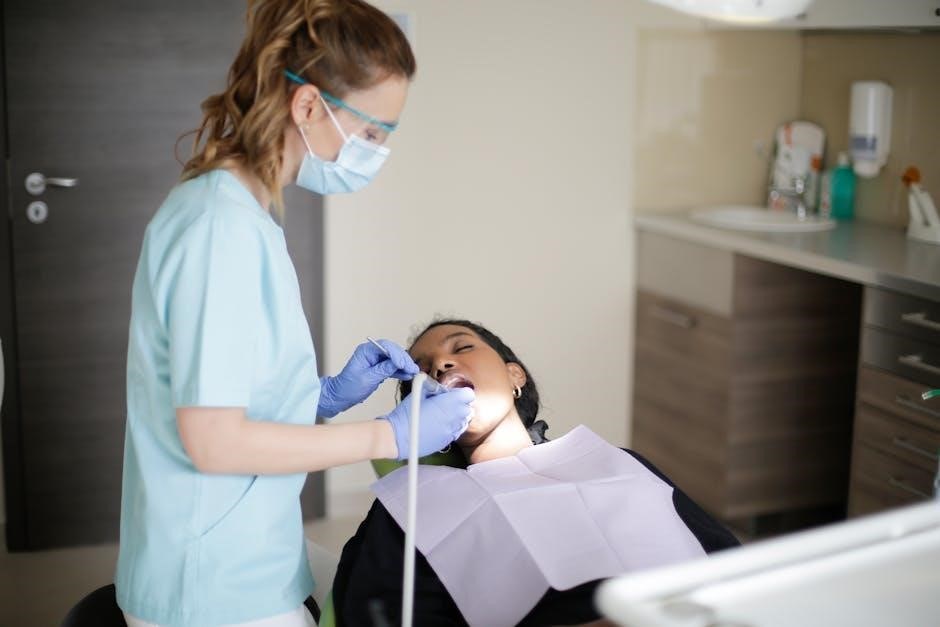
During the surgery, small incisions are made in the gum tissue to access the wisdom teeth. The surgeon will carefully remove the teeth, cleaning the area thoroughly afterward. Stitches may be necessary to close the incisions, promoting proper healing.

You’ll rest briefly in the clinic post-surgery before being discharged with detailed aftercare instructions. Understanding this process helps alleviate anxiety and prepares you for a successful recovery, ensuring a comfortable and complete healing experience.
Scheduling and Initial Consultation
Scheduling your wisdom teeth removal typically begins with an initial consultation with an oral surgeon. This appointment is crucial for a comprehensive evaluation of your oral health and the position of your wisdom teeth. The surgeon will review your dental history and discuss the procedure in detail, addressing any concerns you may have.
During this consultation, X-rays will be taken to visualize the teeth and surrounding structures. The surgeon will explain the risks and benefits of extraction, tailoring a treatment plan to your specific needs. This is also an opportunity to discuss anesthesia options and financial arrangements, ensuring a transparent and informed decision-making process.
Medical History Disclosure
A thorough medical history disclosure is paramount before undergoing wisdom teeth removal. Your oral surgeon needs a complete understanding of your overall health to ensure your safety during and after the procedure. This includes listing all current medical conditions, such as diabetes, heart problems, or immune deficiencies.
Be sure to inform your surgeon of any allergies you have, particularly to medications like penicillin or codeine. Detail any previous surgeries or hospitalizations, and provide a comprehensive list of all medications you are currently taking, including prescription drugs, over-the-counter medications, vitamins, and herbal supplements. Accurate information allows for appropriate anesthesia selection and minimizes potential complications.
Medication Review
A careful medication review is crucial prior to wisdom teeth removal, as certain medications can interfere with the surgery or recovery process. Your surgeon will need a complete list of everything you take, including dosage and frequency.
Antibiotics may be prescribed before surgery to prevent infection, particularly if you have a history of endocarditis or other specific medical conditions. Blood thinners, like warfarin or aspirin, and certain supplements, such as fish oil or vitamin E, may need to be temporarily discontinued to minimize bleeding risk. Always follow your surgeon’s specific instructions regarding medication adjustments, and never stop taking a prescribed medication without their approval.
Antibiotics ー Pre-Operative Use
Pre-operative antibiotics are sometimes prescribed to reduce the risk of post-operative infection, especially for patients with certain underlying health conditions or a compromised immune system. Your oral surgeon will determine if prophylactic antibiotics are necessary based on your individual medical history and the complexity of the extraction.
If antibiotics are prescribed, it’s vital to complete the entire course as directed, even if you feel better. Failure to do so can lead to antibiotic resistance and increase the likelihood of infection. Be sure to inform your surgeon of any allergies to antibiotics before starting the medication.
Blood Thinners and Supplements
It is crucial to inform your oral surgeon about all medications you are taking, including prescription blood thinners like warfarin or aspirin, as well as over-the-counter supplements. Certain substances can increase bleeding risk during and after surgery, potentially complicating the procedure and hindering healing.

Your surgeon may advise you to temporarily discontinue these medications several days before the extraction, but never stop taking any medication without first consulting your physician. They will provide specific instructions tailored to your individual needs and medical history, ensuring your safety throughout the process.
Dietary Restrictions ౼ Before Surgery
Adhering to specific dietary guidelines in the days leading up to your wisdom teeth removal is essential for optimal preparation. Your body needs adequate nourishment to support the healing process, but certain foods can interfere with anesthesia or increase post-operative discomfort.
Avoid heavy meals on the day before surgery, opting instead for lighter, easily digestible options. Preparing for a soft food diet post-operatively is also key; stock up on items like soup, yogurt, and mashed potatoes. Proper nutrition will contribute to a smoother recovery and minimize potential complications.
Fasting Requirements
Strict adherence to fasting instructions is paramount, particularly if you are scheduled to receive sedation or general anesthesia. Typically, you will be instructed to refrain from consuming any food or liquids for a specific period – often eight hours – before your surgery.
This precaution minimizes the risk of nausea, vomiting, or aspiration during the procedure. Even seemingly small amounts of food or drink can interfere with anesthesia administration and potentially lead to complications. Your oral surgeon will provide precise fasting guidelines tailored to your specific case and the type of anesthesia being used, so follow them carefully.
Hydration Guidelines
Maintaining adequate hydration in the days leading up to, and on the day of, your wisdom teeth removal is crucial for optimal health and a smoother recovery. While fasting from food is necessary before surgery, clear liquids are generally permitted up to a certain point – usually two hours before the procedure.
Drinking water, clear broth, or electrolyte solutions helps to keep your body functioning properly and supports the anesthesia process. Dehydration can increase the risk of complications, so prioritize staying well-hydrated. However, strictly follow your surgeon’s specific instructions regarding liquid intake to avoid any issues.
Oral Hygiene Practices
Maintaining excellent oral hygiene in the days before your wisdom teeth removal is vital, but requires a gentle approach. Continue brushing and flossing as usual, but exercise extra care around the wisdom teeth area. Avoid aggressive cleaning or probing, which could cause irritation or inflammation, potentially complicating the surgery.
Focus on removing plaque and food debris from all other areas of your mouth. Gentle rinsing with warm salt water can also help to keep the area clean and reduce bacteria. Your oral surgeon may recommend a specific pre-operative mouthwash; follow their guidance carefully to ensure optimal oral health before the procedure.
Gentle Brushing and Flossing
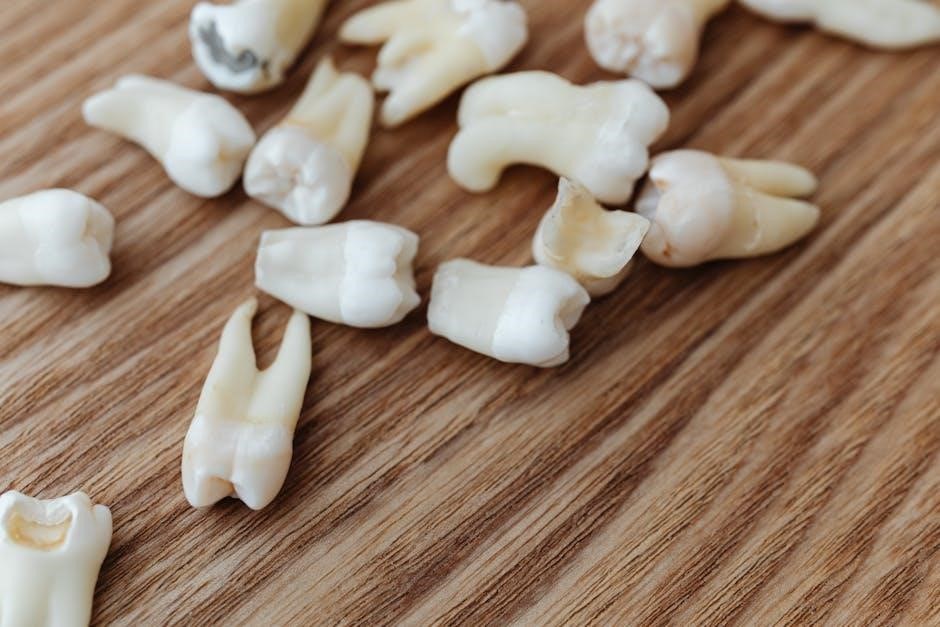
Prioritize meticulous, yet gentle, oral hygiene leading up to your wisdom teeth removal. Continue your regular brushing routine, utilizing a soft-bristled toothbrush to avoid irritating the surgical site. Focus on cleaning all surfaces of your teeth, but be exceptionally careful around the wisdom teeth themselves.
When flossing, avoid snapping the floss forcefully between your teeth. Instead, gently guide the floss into the spaces, being mindful not to cause trauma to the gums. If flossing is painful or causes bleeding, reduce the pressure or skip that area temporarily. Maintaining cleanliness without causing irritation is the key to a successful pre-operative routine.
Avoidance of Irritation
Protecting the surgical area is paramount in the days leading up to your wisdom teeth removal. Refrain from any activities that could potentially irritate the gums surrounding your wisdom teeth. This includes avoiding hard or crunchy foods that might cause discomfort or inflammation. Be cautious with vigorous brushing or flossing directly on the affected teeth, as aggressive cleaning can exacerbate sensitivity.
Avoid poking or prodding at the wisdom teeth area with your tongue or any objects. Steer clear of spicy or acidic foods and beverages, as these can cause irritation and discomfort. Prioritizing gentle care and minimizing stimulation will help ensure a smoother surgical experience and promote optimal healing.
Clothing and Comfort
Selecting appropriate attire for your wisdom teeth removal appointment is crucial for maximizing your comfort throughout the procedure and recovery. Opt for loose-fitting clothing that won’t constrict your jaw or neck, allowing for easier access for the oral surgeon. Choose comfortable sleeves – short or long – as they can provide a convenient way to protect your arm during the IV placement, if applicable.
Avoid tight collars or restrictive neckwear that might feel uncomfortable when your head is positioned during surgery. Consider wearing clothing you don’t mind potentially getting stained, as there’s a slight chance of minor spillage. Prioritizing comfort and practicality will contribute to a more relaxed and positive experience.
Loose-Fitting Apparel
Prioritize comfort by choosing clothes that don’t constrict movement, especially around your neck and shoulders. Avoid tight-fitting shirts or sweaters that could become uncomfortable when your head is positioned for the procedure. Loose-fitting apparel allows for easier access for the surgical team and minimizes any potential pressure on your jaw.
Consider a button-down shirt or a zip-up hoodie for convenient access. Refrain from wearing anything with a restrictive collar or high neckline. Comfortable, relaxed clothing will contribute to a more positive and stress-free experience, both during the surgery and in the initial recovery period. Remember, ease of movement is key!
Comfortable Sleeves
Opt for clothing with sleeves, even if the weather is warm, as this provides a practical benefit post-surgery. Sleeves offer a degree of protection for your arms and can serve as a convenient place to rest your hands during the recovery period. They also offer a barrier should ice packs be applied to your cheeks or jaw.
Choose sleeves that aren’t overly tight or restrictive, allowing for full range of motion. Avoid long, flowing sleeves that could interfere with the surgical process. Comfortable sleeves contribute to overall comfort and hygiene during the initial stages of healing, offering a subtle yet valuable aid in your recovery.
Transportation Arrangements

Arranging reliable transportation is crucial for your surgery day, particularly if you are receiving sedation. Due to the effects of anesthesia, you will be unable to drive yourself home safely. Designate a responsible adult – a family member or friend – to accompany you to the appointment and ensure your safe return.
Confirm their availability well in advance and provide them with clear instructions regarding pick-up and drop-off locations. Avoid using ride-sharing services or public transportation, as they may not provide the necessary level of support post-surgery. Prioritizing safe transportation is a vital step in ensuring a stress-free and secure recovery process.
Smoking and Alcohol Cessation
Abstaining from smoking and alcohol is paramount in preparing for wisdom teeth removal and promoting successful healing. Smoking significantly impairs blood flow to the surgical site, hindering the body’s natural healing mechanisms and increasing the risk of complications like dry socket. It’s crucial to cease smoking several days before and after the procedure.
Alcohol consumption can also interfere with healing and may interact negatively with prescribed medications. Complete alcohol cessation is recommended for at least 24-48 hours prior to surgery and throughout the initial recovery period. Prioritizing these lifestyle adjustments will substantially improve your surgical outcome and overall comfort.
Impact on Blood Flow
Maintaining adequate blood flow to the surgical area is absolutely critical for optimal healing following wisdom teeth removal. Smoking drastically reduces circulation, delaying tissue repair and significantly elevating the risk of developing painful dry socket – a common post-operative complication. Nicotine constricts blood vessels, hindering the delivery of essential oxygen and nutrients needed for wound closure.
Even passive smoking can negatively impact blood supply. Therefore, complete avoidance of all tobacco products is non-negotiable, both before and after surgery. Proper blood circulation ensures efficient removal of waste products and promotes faster, more comfortable recovery. Protecting this vital process is a key component of pre-operative preparation.
Post-Operative Restrictions

Following surgery, adhering to specific restrictions is paramount for successful healing and preventing complications. Smoking is strictly prohibited for at least the first few days, as it severely impairs blood flow, hindering the recovery process and increasing dry socket risk. Alcohol consumption must also be avoided, as it can interact negatively with prescribed medications and delay healing.
Strenuous physical activity should be limited for at least a week to prevent increased blood pressure and potential bleeding. Avoid spitting vigorously or using straws, as the suction can dislodge blood clots essential for wound closure. Strictly follow your surgeon’s dietary guidelines, progressing from liquids to soft foods gradually.
Preparing Your Recovery Space
Designating a comfortable and accessible recovery area is crucial for a smooth post-operative experience. Choose a quiet, relaxing space where you can rest undisturbed, ideally near frequently used amenities. Ensure easy access to necessary items like pain medication, soft foods, and hydrating beverages, minimizing unnecessary movement.
Prepare a comfortable seating or reclining area with plenty of pillows for support. Have entertainment options readily available – books, movies, or calming music – to help distract you during the initial recovery phase. Stock up on gauze and ice packs, ensuring they are easily reachable for immediate use following the procedure. A well-prepared space promotes relaxation and faster healing.
Soft Food Preparation
Prior to your surgery, proactively prepare a selection of soft foods to ensure easy and comfortable nourishment during recovery. Avoid foods requiring significant chewing, as this can disrupt the healing process and cause discomfort. Stock up on essentials like soups, mashed potatoes, yogurt, scrambled eggs, and pureed vegetables – these provide necessary nutrients without straining your jaw.
Smoothies are an excellent option, offering hydration and vitamins in an easily consumable form. Consider applesauce and pudding for gentle sweetness. Having these readily available eliminates the stress of meal preparation when you’re feeling less than your best, promoting a quicker and more comfortable recovery period.
Stocking Up on Essentials
Before your wisdom teeth removal, a well-stocked pantry is crucial for a comfortable recovery; Gather soft food options like yogurt, applesauce, soup, mashed potatoes, and smoothies – items requiring minimal chewing effort. Ensure you have plenty of fluids, including water, broth, and electrolyte drinks, to stay hydrated.
Don’t forget gauze pads for managing bleeding, and ice packs to reduce swelling. Over-the-counter pain relievers, as recommended by your surgeon, are also essential. Having these supplies readily available minimizes post-operative stress and allows you to focus on healing, creating a smoother and more manageable recovery experience.
Examples of Suitable Foods
Post-surgery, your diet will temporarily shift to softer options to protect the extraction sites and promote healing. Excellent choices include creamy soups, particularly broth-based varieties, and mashed potatoes, ensuring they are cooled to a comfortable temperature. Yogurt and smoothies provide essential nutrients without requiring significant chewing.
Scrambled eggs are a good protein source, and pureed vegetables offer vital vitamins. Applesauce is a classic, gentle option. Avoid anything crunchy, chewy, or spicy, as these can irritate the surgical area. Prioritize easily digestible foods to minimize discomfort and support a swift recovery process.
Gauze and Ice Pack Preparation
Having gauze readily available is crucial for managing bleeding after the surgery. Your surgeon will initially place gauze over the extraction sites, and you’ll need to replace it approximately every 30 to 45 minutes, or as needed, until the bleeding subsides. Stock up on a generous supply to ensure you don’t run out during the initial recovery period.
Prepare ice packs in advance; these are vital for reducing swelling and discomfort. Wrap the ice packs in a soft cloth to protect your skin. Apply ice packs to your cheeks for 20 minutes on, 20 minutes off, during the first 24-48 hours. Proper preparation minimizes post-operative discomfort.
Post-Operative Instruction Review
Before your surgery, thoroughly review all post-operative instructions provided by your oral surgeon. Understanding these guidelines is paramount for a successful recovery. Pay close attention to medication schedules, dietary restrictions, and oral hygiene protocols. Clarify any uncertainties with your surgeon or their staff before the procedure.
Familiarize yourself with signs of complications, such as excessive bleeding, severe pain, or infection; Know when and how to contact your surgeon if you experience any concerning symptoms. Proactive understanding of post-operative care will empower you to manage your recovery effectively and minimize potential issues.
Sedation Instructions ー The Night Before
If you are receiving sedation for your wisdom teeth removal, strict adherence to pre-operative instructions is crucial. Typically, you will be advised to abstain from food and liquids for a specified period – often eight hours – before your appointment. This minimizes the risk of nausea or aspiration during the procedure.
Arrange for a responsible adult to drive you to and from the surgery and to remain with you for at least 24 hours post-operatively. Avoid alcohol and certain medications as directed by your surgeon. Follow their specific guidance regarding any last-minute instructions to ensure your safety and a smooth experience.
Questions to Ask Your Surgeon
Before your wisdom teeth removal, proactively engaging with your oral surgeon is vital. Inquire about the specific type of anesthesia used and its potential side effects. Understand the surgical technique planned for your case and the expected duration of the procedure.
Discuss post-operative pain management strategies and available pain medication options. Clarify any concerns regarding potential complications, such as dry socket or infection. Don’t hesitate to ask about the recovery timeline and expected limitations on diet and activity. A well-informed patient is a prepared patient, leading to a smoother experience.